


Trivia
Choosing Flooring: Anti-Trap Guide – Avoiding Pitfalls When Buying SPC Flooring
May
SPC (Stone Plastic Composite) flooring has become incredibly popular in the Hong Kong renovation market in recent years. It is waterproof, termite-proof, wear-resistant, completely unafraid of the humidity that ruins solid wood floors, and comes with a much more down-to-earth price tag—all while retaining a high-end texture.
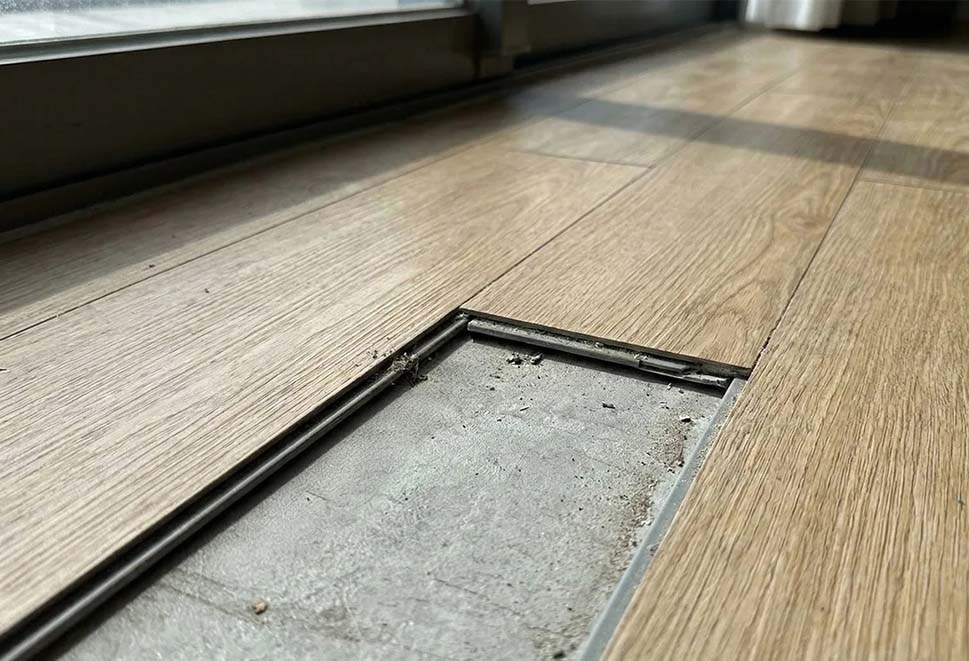
However, because it is so popular, the quality available on the market varies wildly. Prices range from a few dollars per square foot on Taobao to over $60–$70 per square foot in local showrooms. On the surface, "every option looks identical," leading many homeowners to assume they can just buy the cheapest one. The result? Within six months of installation, they face major headaches: cracked click-locks, buckling planks (feeling spongy or floating when stepped on), widening gaps, and annoying squeaking noises.
We always tell our clients: "When buying SPC flooring, all the traps you can fall into are hidden in the places your eyes cannot see."
Today, we will dissect SPC flooring from 360 degrees—covering the core material, density, click-lock design, underlayment, and installation requirements—to show you how to choose an SPC floor that genuinely lasts, saving you from paying a painful renovation tuition fee!
1️⃣ Core Purity: The Lifeline of SPC Flooring
The heart of an SPC plank is its middle layer, known as the Stone Plastic Composite Core. This layer directly determines the rigidity and toughness of the flooring. To put it bluntly, cores on the market fall into three main tiers:
- Pure Virgin Material (Premium Grade)
Appearance:Natural beige or pure milky white.
Characteristics:Free from recycled impurities, highly resilient, and features a stable formula. Even when facing Hong Kong’s humid summers and dry winters, its thermal expansion and contraction rate remains extremely low, making the click-locks exceptionally strong. - Blended Material (Standard Grade)
Appearance:Off-white or tinted with a light gray hue.
Characteristics:Made from a mix of virgin materials and manufacturing off-cuts. The quality is decent and offers good value for money. However, if the formulation ratio isn't tightly controlled, the click-locks may still become brittle over time. - Recycled Material (Low Quality - Major Disaster Zone)
Appearance:Dark gray or even blackish, covered with visible black spots and impurities.
Characteristics:Commonly known as "garbage material," it is manufactured from recycled scrap plastics. To mask the impurities, factories often overload the mix with cheap calcium carbonate (stone powder), which makes the planks incredibly brittle. In most cases, the moment an installer taps the board or heavy furniture presses down on it, the click-lock snaps instantly.
| 💡 Anti-Trap Tip: When checking samples at a showroom, remember to flip the plank over and look closely at the side profile and the bottom layer. If the core looks black, gray, or dirty, do not buy it—no matter how cheap it is! |
The core layer of SPC flooring is extruded under high temperature and pressure, combining natural stone powder (calcium carbonate, CaCO3 with PVC (polyvinyl chloride) plastic. The "purity" of the core essentially refers to the source and molecular integrity of the PVC plastic used.
Pure Virgin vs. Recycled Materials
-
Virgin Material:
Uses brand-new, uncompromised PVC resin pellets. At a microscopic level, its high-molecular polymer chains are long and complete, creating tightly cross-linked bonds that offer excellent ductility and cohesion. In environments like Hong Kong—where spring/summer humidity frequently exceeds 95%, winters are dry, and west-facing rooms can experience dramatic temperature swings—the physical expansion and contraction rate of virgin material is safely kept below 0.1%. The click-locks can withstand years of vertical foot traffic and shear stress, yielding a lifespan of 10–15 years.
-
Recycled Material:
The raw ingredients are chaotic, often sourced from old plastic pipes, discarded toys, medical waste, or unidentified industrial scraps. Having undergone multiple rounds of high-temperature melting and mechanical shearing, the molecular chains are severely broken, shortened, and carbonated. This causes the plastic to lose its natural toughness.
To force it to bind together, factories add excessive amounts of cheap stone powder and low-grade chemical adhesives. This makes the core extremely brittle (known in the industry as "powdering"). Once installed, the click-locks often suffer catastrophic crushing or snapping within two years—or even after just one seasonal transition—shortening the floor's lifespan to 6–12 months.
Virgin PVC Molecular Structure:  ─── ─── ─── ─── ───   (Long, complete chains with ductility)
Recycled PVC Molecular Structure:  ─── ─── ─── ─── ───  (Short, broken chains yielding a brittle structure)
4-Step Insider Test for Showroom Samples
Without access to a laboratory FTIR (Fourier-transform infrared spectroscopy) test, you can visually and physically inspect samples using these methods:
-
Inspect the Cross-Section (Visual): Use a utility knife to cut into the edge or click-lock profile. Virgin material shows a uniform milky white, beige, or light gray texture with fine grains. Recycled material looks black, dark gray, or murky green, and is riddled with tiny black carbon impurities.</span
-
Flashlight Translucency Test (Lighting): Press your phone's flashlight flush against the back of the floor sample. Highly pure virgin material allows light to partially pass through, giving it a semi-translucent, jade-like glow. Recycled material completely blocks light due to heavy impurities and internal structural fractures.
-
Click-Lock Bend Test (Mechanical): Use your fingers to firmly bend the protruding click-lock edge of the sample. A virgin material lock feels rigid yet possesses a micro-amount of elasticity, resisting snaps. A recycled lock will snap cleanly with a crisp "pop," mimicking a brittle cracker.
-
Scratch Test (Hardness): Use your fingernail or a coin to scratch firmly across the exposed core cross-section. Virgin material will remain undamaged, while recycled material will easily shed powder or grit, leaving a deep white gouge.
2️⃣ Density 2000kg/m³: Density Matters More Than Thickness
Many homeowners only ask, "How many millimeters thick is this floor?", believing that thicker is always better. This is actually a misconception. While thickness (e.g., 4mm, 5mm, 6mm, 8mm) affects the underfoot feel, density is the metric that determines whether the floor can withstand heavy pressure and prevent the click-locks from snapping. High-quality SPC flooring must have a density of 2000 kg/m³ or higher.
- High-Density SPC: Feels noticeably heavy and solid in your hand, indicating a flawless fusion of stone powder and plastic resin. The click-lock area is incredibly dense, preventing localized indentation under heavy objects. It offers extreme dimensional stability and will not easily buckle.
- Low-Density SPC: Feels surprisingly lightweight and airy, often containing microscopic air pockets inside. This type of plank easily caves in over uneven subfloors, and the click-locks will fail under light stress.
In traditional wood floorings (like solid wood or engineered wood), thickness (e.g., 12mm, 15mm) directly determines material costs, moisture resistance, and a solid underfoot feel. However, this logic fails completely when applied to SPC.
Density is the Golden Metric for Rigidity and Durability
Because SPC is a rigid composite floor material, its core rigidity, compressive strength, and click-lock tensile resistance depend entirely on how tightly packed the stone powder and PVC resin are—which is measured as density.
-
Low-Density SPC Floors (typically made of low-grade or recycled core):
The factory might make them thick (such as 6mm or 8mm), but the density sits at only around 1600g/m³. This means the internal structure is loose and full of microscopic, honeycomb-like air voids. When heavy furniture (like a piano, large wardrobe, or double bed) sits on it long-term, localized areas will micro-sink under vertical compressive stress. This applies continuous shear stress to the edges of the click-locks, causing them to break down and snap over time.
-
High-Density SPC Floors (typically made by top-tier global factories using virgin materials):
They might only be 4.5mm or 5mm thick, but their density reaches as high as 2100 - 2200 kg/m³. The internal structure is flawlessly compact with zero air pockets, yielding a massive compressive strength that disperses heavy loads evenly. The tensile strength of its click-locks is multiple times higher than that of low-density alternatives.
Debunking the Consumer Myth
A frequent question asked by discerning consumers is: "Why are some European and American brand SPC floors so thin (only 4.5mm or 5mm) yet cost so much more than 6mm or 8mm Chinese-made options?"
The answer lies in manufacturing formulas and high-pressure technologies. Top-tier international brands do not rely on "adding thickness" to give an illusion of quality. Instead, they utilize high-precision equipment to flawlessly blend stone powder and resin under extreme pressure, engineering a thin yet incredibly rigid, ultra-high-density core.
In practical engineering terms: A 4.5mm high-density premium core outperforms a 6mm low-density poor core every single time.
3️⃣ Click-Lock Design: Test its Toughness on the Spot
SPC flooring is installed as a "floating floor" system. Planks are held together entirely by interlocking profiles on all four sides without requiring any nails or glue (commonly referred to as a Click System).
| Features of High-Quality Click-Locks | Features of Poor-Quality Click-Locks |
| Sufficiently thick, tight engagement, smooth and clean edges | Paper-thin, sheds powder upon contact, easily loosens or detaches |
To cut manufacturing costs, many low-quality SPC brands make their click-locks incredibly thin. These profiles often crack the moment an installer taps them into place. Alternatively, after a year of living on them, the micro-vibrations from daily walking will cause the locks to fracture beneath the surface, resulting in widening gaps and shifting planks.
| 💡 Anti-Trap Tip (On-Site Test Method): Take a sample board and use your thumb and index finger to forcefully pinch and try to snap the protruding click-lock profile on the edge. High-density virgin material click-locks possess excellent toughness; you will not be able to break them with pure finger strength. If the edge snaps off cleanly or crumbles with a light pinch, reject that flooring immediately. |
SPC 地板採取「免膠懸浮鋪設法」,全靠地板四邊的鎖扣相互咬合來固定。如果鎖扣設計不精準,地板鋪好後不用半年就會出現開縫、移位、甚至行路時發出「喀吱」異響。
1. 全球市佔率最高的專利三大鎖扣系統
目前全球地材界最權威、技術最成熟的鎖扣專利主要掌握在幾大國際巨頭手中:
-
比利時 Unilin 的 Uniclic 系統: 採用經典的「角度斜插式」與「水平敲擊式」咬合,利用材料本身的微幅彈性,在卡入後形成永久的向內張力。
-
瑞典 Välinge 的 2G 鎖扣: 經典的長邊斜插系統,穩定性極高。
-
瑞典 Välinge 的 5G 系統: 專門為短邊(端頭)設計的「直落式鎖扣」,內部帶有一個玻璃纖維塑料彈性舌片(Plastic Tongue)。當地板向下壓時,舌片先會被推入,落地後瞬間彈出卡死,發出「咔」一聲。這種設計能達到 100% 的垂直與水平雙向鎖定。
2. 專利鎖扣與普通無專利「凹凸槽」的幾何學差距
這些獲得國際專利認證的鎖扣,其邊緣幾何角度與倒角尺寸都經歷過數萬次電腦有限元分析(FEA)與力學模擬。
-
有專利鎖扣: 當兩塊地板拼接時,鎖扣內部的幾何形狀會形成一個「向內拉扯」的持續預應力(Pre-tension)。無論地面受到多大的水平拉力,地板四邊都能像機關一樣天衣無縫地鎖死,行路時絕不走位、不開縫、不滲水。
-
無專利劣質鎖扣: 廠家為了逃避專利費,只能自己隨意更改幾何形狀。這些設計往往只是簡單的「凹凸槽」,槽位做得很薄且很淺,缺乏力學張力,稍有力道拉扯就會分離,完全起不到固定作用。安裝時師傅也很難扣入,極易在施工階段就將鎖扣敲碎。
4️⃣ Wear Layer Thickness: 0.5mm is the Sweet Spot
耐磨層(Wear Layer)決定咗地板表面喺日常使用下磨損嘅速度。
好多人有個誤解,以為耐磨層愈厚愈好,甚至追求 0.70mm 以上。其實喺家用或者一般商業環境, 0.5mm 已經係黃金標準:
- 0.3mm: 適合預算有限、或者極少人行嘅房,如果養狗或者大流量客廳,好快磨損。
- 0.5mm: 住宅與商用最平衡選擇。耐磨度達到 AC4–AC5 級別,同時能保持極高嘅清晰度,完美還原下方木紋嘅立體感與光澤。
- 0.7mm 或以上: 通常用喺機場、商場等超高流量地方。家用冇必要,而且太厚嘅耐磨層會令地板表面視覺上多了一層「霧白感」,望落去冇咁自然。
5️⃣ Surface UV 塗層與光澤度:光面 vs 啞面,防反光與腳印中伏
呢個係 95% 業主買嗰陣都會忽視,但住落每日都眼冤嘅地方 —— 就是地板表面嘅 UV 塗層同光澤度(Gloss level)。SPC 表面通常有層抗紫外光同污漬嘅塗層,佢直接決定咗地板「反唔反光」同「吸唔吸油」。
- 高光面/亮光面(極易中伏 ❌):
中伏點:喺建材鋪射燈下望落去好靚、好新淨。但鋪到返屋企,當黃昏陽光斜射或者開客廳大燈嗰陣,地面會好似塊鏡咁嚴重反光,對眼極唔舒服(視覺疲勞)。而且亮光面好容易將塑膠感暴露無遺,望落去好假、好有「膠味」。 - 極緻啞面(Super Matt)(注意腳印 ⚠️):
中伏點:望落去好高級、好有實木感,完全唔反光。但如果隻牌子嘅 UV 塗層做得衰,啞面地板就會變成「腳印收集器」。你沖完涼腳底有少少濕、或者夏天腳板有少少油踩過去,地面即刻留低一個個黑印,用濕布極難抹走,拖完地乾咗又係一噠噠。 - 微啞面/柔光面(5°–7° 光澤度):
優點:帶有極輕微、好似高檔實木嘅天然原木光澤。既解決咗陽光直射時嘅刺眼反光,其特殊嘅塗層配方又做咗防指紋、防油污處理(Anti-fingerprint / Anti-smudge),就算赤腳行過都唔容易留痕,極之好打理。
| 💡 避坑貼士:去睇樣辦時,唔好淨係垂直望。將塊板拍斜放喺窗邊或者燈光下,睇下佢反光辛唔辛苦。另外,直接用你自己隻手指公,用力落去塊辦度撳幾下,睇下會唔會留低一塊好明顯、抹不掉嘅手指油印。會留印嘅,鋪完保證你日日做「抹地奴隸」。 |
6️⃣ 底墊材質:影響靜音與會唔會「慢性爆扣」
SPC 底層通常會自帶底墊,除咗隔音、避震,仲有保護鎖扣嘅作用。
- IXPE 底墊(最佳選擇): 結構係閉孔式發泡,完全防水、防霉,最適合香港潮濕天氣。回彈力適中,最重要係不易塌陷。當你放重傢俬(如鋼琴、大衣櫃)喺上面,佢可以提供穩定支撐,唔會令地板局部下沉,變相保護咗鎖扣。
- EVA 底墊(廉價過渡品): 成本低,踩落去軟綿綿好似好舒服。但缺點係極易老化同塌陷。一兩年後,行得密集嘅地方會變薄,導致地板踩落去上下晃動,直接將壓力傳導到鎖扣,引致「慢性爆扣」。
- Cork 軟木底墊(香港唔建議): 雖然環保、吸音好,但軟木始終係天然木質,喺香港春天驚人嘅濕度下,極易吸水膨脹甚至發霉,導致地板翹起。
SPC 地板在出廠時,大部分底部都會預貼一層底墊(Underlayment),用以吸收地面不平的微小衝擊並起到隔音作用。市場上最主流的兩種材質是 IXPE 與 EVA,兩者成本相差數倍,長線效果更是天差地別。
1. IXPE(電子輻射交聯聚乙烯):高端閉孔材料
-
製造工藝: 利用電子加速器產生的高能電子束,使聚乙烯分子發生交聯,形成三維網狀結構。
-
微觀結構: 屬於典型的「閉孔式發泡(Closed-cell Foaming)」。每個微小泡孔都是完全獨立、四壁完整、互不相通的。
-
核心優勢:
1. 100% 防潮隔水: 因為泡孔不相通,地台底部的毛細水汽完全無法穿透底墊,防潮性能極佳。
2. 超強抗疲勞回彈力: 具有極高的壓縮永久變形抗性(Compression Set)。當床腳、沙發腳等重壓移開後,IXPE 能迅速恢復原狀。在長期使用中,它能完美、均勻地吸收下沉壓力,貼身保護上方的鎖扣系統,防止鎖扣因底部懸空而折斷。
2. EVA(乙烯-醋酸乙烯酯):廉價開孔材料
-
製造工藝: 傳統化學發泡,常夾雜刺鼻的化學氣味。
-
微觀結構: 屬於「開孔式發泡(Open-cell Foaming)」或半開孔。泡孔之間是相通的,像海綿一樣。
-
致命缺陷:
-
易吸水發霉: 時間久了,地台的水汽會慢慢滲透並儲存在 EVA 底墊內部,導致地板下方滋生細菌、發霉甚至產生異味。
-
蠕變失效(被徹底壓扁): EVA 缺乏長期的抗疲勞回彈力。在重物長期壓迫下,大約只需要 3 至 6 個月,重物下方的 EVA 發泡結構就會被「徹底壓死、失去彈性」,再也無法回彈。這會在裝潢下方形成一個看不見的「空鼓盲區」。當人踩過去時,地板會突然下陷,這正是日後地板踩踏時出現「啪啪」異響與鎖扣斷裂的頭號隱形殺手。
-
7️⃣ 地面平整度 ≤ 3mm:七成中伏案例嘅真正元兇!
小編經常同客講:「地板質素佔 50%,師傅安裝同地台又佔 50%。」
SPC 地板保障剛性強、本身冇乜彈性,所以對地台嘅平整度要求極高。全屋鋪設前,必須要求師傅用 2米直尺 配 塞尺 進行測量:
| ⚠️ 標準:2米範圍內,高低落差唔可以超過 3mm。 |
如果地台好似「過山車」咁樣有凹凸:
1. 塊板懸空咗,你踩落去就會有「浮動感」同「吱吱聲」嘅異響。
2. 長期踩踏懸空位,鎖扣會因為不平均受力而活生生被折斷。
如果地台太差,鋪之前一定要叫師傅做自流平(Self-leveling)或者用底板補平,千祈唔好慳呢筆錢。
在香港的裝修實務中,地台平整度是 SPC 地板成敗的關鍵。原廠規範通常極其嚴格:在 2米 範圍內,地面高低差必須在 3mm 內。然而,許多業主會發現,找裝修師傅做「水泥自流平(Self-leveling)」時,常常會遭到師傅的推託或抗拒。
1. 行內師傅的內心戲:為什麼他們抗拒自流平?
-
傳統「泥水批盪」的便利性: 傳統泥水師傅習慣使用普通水泥沙漿(打水泥沙)進行地台批盪。這種方法完全依賴師傅的經驗、眼力與手感用刮尺刮平。其優點是速度快、成本低,對於鋪設較厚且有沙漿黏結的磁磚或木地板來說,平整度誤差大一點點(如 5-8mm)影響並不大。
-
自流平的繁瑣與高風險: 水泥自流平使用的是一種高流態、高技術含量的特種水泥,依賴液體受重力自然流淌的原理來達到接近絕對水平。它的施工極其繁瑣:
-
基層必須徹底清掃、吸塵,不能有任何鬆散沙粒。
-
必須塗刷專用的界面劑(Primer)以防止底層吸水過快導致自流平開裂。
-
攪拌配比必須精確到毫升,水過多會分層起砂,水過少會流不開。
-
施工時現場不能有穿堂風,對溫度、濕度要求極嚴。
如果師傅技術不過關,自流平做失敗了(如起殼、開裂、起砂),後期剷掉重做的成本非常高。因此,許多師傅因為嫌程序繁瑣、增加工時且承擔風險,寧可說「我幫你批盪得好平啦,唔使做自流平」來帶過。
-
2. 業主與設計師的「無痛溝通」
SPC 是剛性地材(Rigid Core),如果地面高低差超過 3mm,懸空位踩下去鎖扣必斷。為了避免日後驗收時扯皮,業主可在簽約前將標準白紙黑字列入報價單,並使用以下專業術語溝通:
「師傅,因為我今次全屋揀嘅係 SPC 石塑地板,原廠說明書寫明咗硬性指標:2米範圍內高低差絕對唔可以超過 3mm。傳統批盪好難做到咁準,所以我想直接喺報價單度寫明包含**『基層清理、刷界面劑、做水泥自流平』**嘅費用。工程跟返原廠數據收貨,咁大家都有個標準,日後鋪完地板亦唔會出現鎖扣斷裂或者踩落去空洞洞嘅問題。」
8️⃣ 四周伸縮縫 8–12mm:畀條生路塊地板行
好多年輕師傅或者新手 DIY,為咗追求邊緣好睇,將地板貼到幅牆一網打盡,唔留位。
雖然 SPC 穩定,但佢依然含有塑料成分,喺香港夏冬兩季溫差、或者陽光暴曬下,一定會有輕微嘅熱脹冷縮。
- 如果四周圍冇留 8–12mm 嘅伸縮縫,地板一膨脹,四邊頂住幅牆,力量冇得釋放,中間就會成塊「條起(起拱)」。
最後只要用踢腳線(Skirting)或填縫膠(Gap Filler)收邊,呢啲縫隙外觀上係完全睇唔到嘅,安全感滿分。
9️⃣ 數據勝過雄辯:重視測試報告與權威證書
喺挑選 SPC 地板時,市場上嘅產品說明往往琳瑯滿目,各個品牌亦各有優勢。然而,最客觀且具備法律效力嘅衡量標準,依然係由國際權威機構(如 SGS、Intertek、TÜV 等)發出嘅官方測試報告(Test Report)。
一隻真正經得起時間考驗嘅高端 SPC 地板,必然會定期將產品送檢。作為精明嘅業主,在購買前可以主動向商戶查詢或索取相關型號嘅檢測報告,並重點核對以下 3 個關乎健康與耐用性嘅黃金數據:
- ① 甲醛釋放量(Formaldehyde Emission):室內健康的底線
解讀方法:尋找歐洲標準 EN 717-1 測試項目。
• 專業指標:檢測結果若顯示 ND(Not Detected / 未檢出),或數值低於 0.05 mg/m³ 則屬極佳。雖然歐盟官方最高法定評級為 E1(≤ 0.124 mg/m³),但為咗提供更安心嘅居住環境(特別是有幼童或寵物赤腳接觸地面嘅家庭),高端 SPC 地板嘅生產標準通常會要求超越歐盟法定線,達到市場俗稱、符合世界衛生組織(WHO)安全指引嘅 E0 級別(≤ 0.05 mg/m³)。數據顯示 ND,先至係真正嘅安全。 - ② 尺寸穩定性與翹曲度(Dimensional Stability & Curling):防起拱開縫的指標
解讀方法:尋找歐洲標準 EN 434 / ISO 23999,或者美國 SPC 地板全套產品標準總綱 ASTM F3261(其內已嚴格包含 ASTM F2199 尺寸線性變化測試)。這些檢測會將地板置於高溫環境下烘烤,以嚴格模擬極端溫差下地材的物理反應。
• 專業指標:高規格的 SPC 地板,其熱收縮率與翹曲度必須嚴格控制在 ≤ 0.1%(甚至接近 0%)。若相關報告數值偏高,代表基材配方可能含有較多回收塑料或比例不穩,在香港夏冬溫差較大或陽光直射(如西斜單位)的环境下,較易因過度膨脹或收縮,導致鎖扣受壓斷裂、地板起拱或縫隙變大。 - ③ 防火阻燃等級(Reaction to Fire):家居安全的防線
解讀方法:尋找歐洲最具權威嘅 EN 13501-1 防火測試認證。
• 專業指標:住宅與商業空間首選達到 Bfl-s1 等級。其中 Bfl 代表地板屬於「極難燃地材」,具備自主熄滅特性;s1(Smoke production)則代表燃燒時所產生嘅煙霧量極低。呢個項目亦係香港絕大部分甲級寫字樓、政府工程及高檔住宅在物料審批時嘅硬性消防要求。
很多精明的業主、室內設計師或地盤項目統籌(Project QS),在核對 SGS、Intertek、TUV 等國際權威機構的檢測報告(如甲醛 VOC、B1 防火、R10 防滑測試)時,傳統上都會習慣採取字對字(Match word by word)的嚴格核對。然而,九成的人一核對,就會發現三個令他們極度懷疑人生、甚至懷疑買到假貨的「詭異現象」:
-
名字對不上: 報告上的「委案單位(Applicant)」印著一個從未聽過、位於內地或東南亞的大型核心代工廠(OEM/ODM)名字,而完全不是包裝箱上的高檔品牌名。
-
厚度對不上: 報告上寫明送驗的實物厚度參數是 4mm,但你想買、或商戶報價單上寫的实际產品卻是 5mm.
-
型號直接隱形: 報告上的「產品型號(Model/Style No.)」一欄竟然是完全空白(N/A)、或只寫著極度模糊的大類名稱——「石塑複合地材(SPC Flooring)」,連個具體的木紋花色名字都沒有。
⚠️ 先講結論:這在國際建材供應鏈中屬於「絕對正常」的常態。
如果在香港買 SPC 地板硬要逐字逐句去對死型號、品牌和厚度,你跑遍全灣仔或旺角建材街,可能連一塊「合規」的地板都買不到。以下為你揭開這三個連普通裝修師傅都未必全懂的供應鏈深層內幕:
1. 大廠母證書的「極限覆蓋原則」(解密厚度對不上)
一張由 SGS 或 Intertek 發出的歐標/美標全套檢測報告,測試項目涵蓋剝離強度、尺寸穩定性、重金屬殘留等,費用動輒高達數萬美元,且測試周期長達數月。大型超級工廠(為全球一線地材品牌代工的源頭廠商)在研發出新一代的高規格「純新料基材配方」時,為了極大化規費效益,會利用國際認證通用的「極限覆蓋原則」送驗:
-
物理力學測試「拿最薄的測」:
工廠會刻意拿同一個純料配方系列中「最薄」(4mm)的規格去接受殘酷測試(如縮水率、鎖扣抗拉力)。在材料力學(Mechanics of Materials)的邏輯中,如果僅有 4mm 的基材都能完美通過高強度的擠壓與防開裂測試,那麼品牌商後續要求工廠衍生加厚製作的 4mm 或 5mm 同材質地板,其結構剛性與抗剪切力理所當然會更強、更安全。因此,一份 4mm 的物理報告,足以向下兼容覆蓋所有更厚的同門產品。
-
化學有毒物質測試「拿最厚的測」:
相反地,在檢測甲醛釋放量、總揮發性有機物(TVOC)或重金屬殘留時,工廠則會拿「最厚、含有最多材料體積」的樣板去測。這能確保在最極端的體積質量下,產品依然達到了零甲醛、無毒的國際安全線。
力學測試:送驗最薄 ⇒ 加厚規格自然過關
環保測試:送驗最厚 ⇒ 變薄規格自然更安全
2. 配方微調與防止「跳過品牌」的商業機密(解密完全冇型號)
為什麼頂級大廠的原始證書上,型號欄通常極其模糊,甚至填寫 “Identified by Formulation”(由配方識別)? 這背後涉及兩個核心的商業博弈:
-
配方微調的法律彈性:
跨國代工大廠的核心全新 PVC 塑料與石粉配方雖然不變,但為了適應不同出口國家的極端氣候(例如出口到溫差極大的加拿大,與高溫高濕的香港、新加坡),工廠會在生產線上對輔助穩定劑進行微調。如果證書上死死鎖定了一個生硬的型號代碼(如
Premium-X9),工廠只要稍微更動一下生產線參數,這張花費巨資的證書就會在法律上失效。只寫大類名稱,能給工廠保留合法的生產微調空間。 -
保護供應鏈的法律隱私(防跳單):
這是建材貿易最重要的商業機密。如果代工廠在報告上明明白白寫出某個特定品牌的專屬型號,香港的某些精明發展商、大建築商(Main Con)或大型設計事務所,就能輕易透過報告上的工廠名稱與型號,直接跳過香港的代理品牌商,向內地或海外源頭工廠發起低價海量直購。工廠為了保護其品牌大客戶的利益,會刻意將原始母證書上的型號模糊化.
3. 終極防伏指南:型號厚度全隱形,如何確保不是山寨貨?
既然紙面資料無法進行傳統的「字對字」核對,老練的政府工程統籌或大建築師在收貨驗收時,會改用以下 3 個隱藏指標進行交叉驗證,瞬間就能揪出企圖魚目混珠的地下山寨廠劣質地板:
-
指標一:原廠 PDF 報告的「數碼簽名認證(Digital Signature)」
真正大廠提供的 SGS 或 Intertek 原始 PDF 報告,絕對不是由實體紙張掃描而成的「死圖檔案」,而是內嵌有檢測機構加密數碼證書(如 Adobe Approved Trust List, AATL 數位簽名)的電子原件。業主或設計師用電腦開啟 PDF 時,文件頂部會顯示 「已透過有效數碼簽名驗證,自簽署後未經修改」。只要點擊簽名,即可直接追溯該報告在檢驗局資料庫中的唯一雜湊值(Hash Value),瞬間斷絕所有改圖、改厚度、改日期的山寨「P圖報告」。
-
指標二:要求商戶提供工廠公章的「產品對應聲明(Correlation Statement)」
這是最具法律效益的商業文件。業主可以要求品牌方索取一張蓋有工廠公章的對照聲明書,內容通常非常直白:「茲證明,本廠生產之工業配方基材(即母證書編號:XXXXX),與該品牌在香港銷售之『奧斯陸橡木 5mm 系列』為同一底材、同一全新純料配方生產,特此聲明。」 只要拿得出這張紙,就能在法律層面完美綁定。
-
指標三:實物殘酷測試——切開看「底材晶體結構」
紙面報告會騙人,但材料本身的物理特性絕對不會。拿一片現場要鋪設的地板實物範本,用美工刀狠狠割開一個深切口,或者直接用錘子敲斷一角,觀察其「芯層(Core)」:
-
真大廠純料貨(Virgin PVC): 如左圖所示,其核心基材層(Core layer)結構非常緻密、細膩,呈現均勻的乳白或淺灰色,摸上去像堅硬的硬塑料或細石塊,卡扣位富有彈性,用力扭曲不易折斷。
-
劣質回收料(Recycled PVC): 如右圖所示,結構鬆散,斷面發黑發灰,甚至帶有髒污的暗綠色與密麻黑點。用指甲用力掐,甚至會像粉塵一樣碎掉(行內稱為粉化),這種地板在香港溫差下不用一年鎖扣必碎。
-
📌 最強防伏 CheckList
下次去買 SPC 地板,直接拿住呢 8 個指標去問鋪頭,包你無盲點:
[ ] 睇基材:側面同底色係咪米黃色純新料?(堅決唔要灰黑色回收料)
[ ] 問密度:密度有無達到 ≥ 2000 kg/m³?
[ ] 試鎖扣:現場用手指大力掰鎖扣,係咪夠韌、唔會脆斷?
[ ] 睇規格:家用耐磨層係咪 0.5mm?
[ ] 測光澤:側睇防唔防刺眼反光?用手撳會唔會留死油印?(首選微啞面)
[ ] 揀底墊:地板自帶嘅係咪 IXPE 高密度靜音墊?
[ ] 驗地台:裝修師傅肯唔肯配合做 2米內落差 ≤ 3mm 嘅地台驗收?
[ ] 驗證報告:有無齊備權威機構(如SGS/Intertek)發出嘅 E0甲醛(≤0.05mg/m³)、Bfl-s1防火、≤0.1%收縮率(符合ASTM F3261總綱)嘅真實報告?
📌 專業總結:唔好因小失大,地板同水電一樣係「隱蔽工程」
SPC 地板絕對係近年最偉大嘅地材發明之一,只要你揀啱質素,佢可以用足十年、八年都穩穩陣陣。
最後想提醒各位業主,買地板千祈唔好貪平、因小失大。小編成日同客講,地板工程同全屋嘅水電暗喉一樣,都係屬於「一次到位、極難事後補救」嘅核心隱蔽工程。水電漏水要掘牆,地板爆扣、起拱或者表面一噠噠油印抹唔到,一樣要全屋翻起。
你想想,如果為咗每呎慳嗰十蚊八蚊,買咗劣質回收料或者差嘅塗層板,住落一年半載先嚟出事。到時你要:
1. 搬走全屋所有重傢俬、電器(甚至要暫時搬出去住)
2. 搵師傅將所有地板拆曬佢,重新打磨地台
3. 重新買過批新地板再鋪過
呢度耗費嘅時間、精神,仲有雙倍嘅人工同搬運費,絕對遠遠貴過你當初買高質素地板嘅差價!
影響地板壽命同視覺質素嘅,往往唔係表面幅木紋紙幾靚,而係內裏嘅基材純度、密度、鎖扣工藝、塗層抗污度、底墊,以及施工時嘅平整度同伸縮縫。花多五分鐘了解呢啲「睇唔到嘅細節」,揀優質嘅品牌同專業嘅施工,先係最精明、最幫荷包慳錢嘅裝修決定!


 DEHOME
 FLOORIGO
 NEVESAM
 SYLVANIX
 THE FLOOR